
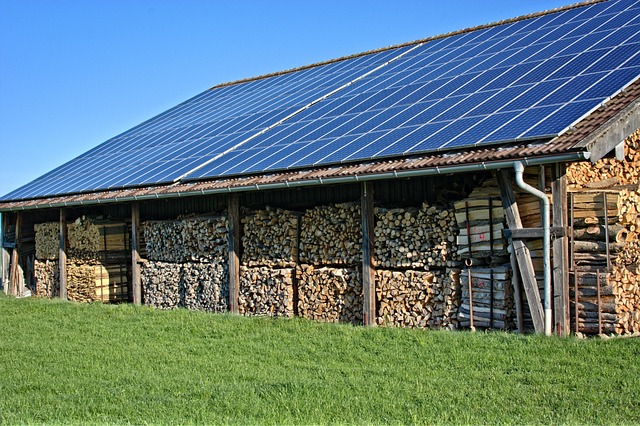
Sustainable construction is no longer just a buzzword, it’s an essential practice for the building industry, shaping the way we think about the environment, energy efficiency, and long-term societal impact.
Among the various certifications and standards guiding sustainable building, BREEAM stands out as one of the most recognized and influential frameworks globally.
But what exactly does BREEAM mean, and why has it become such a cornerstone in sustainable construction? Let’s jump into the world of BREEAM, unpacking its meaning, importance, and practical implications for those involved in building and designing sustainable spaces.
What is BREEAM?
BREEAM, which stands for Building Research Establishment Environmental Assessment Method, is a globally recognized sustainability assessment method for buildings.
It was first launched in the UK in 1990 by the Building Research Establishment (BRE) to provide a standard way of evaluating environmental performance in construction. Over the decades, BREEAM has evolved to encompass a wide range of building types, including offices, homes, schools, healthcare facilities, and industrial projects, making it one of the most versatile green building assessment tools worldwide.
From my own personal experience, BREEAM is more than just a certificate on a wall, it’s a practical roadmap that guides architects, engineers, and builders toward designing structures that are environmentally responsible, resource-efficient, and comfortable for occupants.
Why BREEAM Matters in Sustainable Construction
BREEAM has gained prominence because it balances environmental concerns with real-world construction needs. Its impact extends beyond energy savings and carbon reduction—it also improves the quality of life for occupants, enhances the efficiency of building management, and often increases property value.
The main reasons BREEAM is vital include:
- Environmental Responsibility: It encourages the reduction of energy consumption, water usage, waste, and carbon emissions throughout the building’s lifecycle.
- Health and Wellbeing: BREEAM-certified buildings focus on indoor environmental quality, air quality, natural lighting, and thermal comfort.
- Economic Efficiency: Sustainable buildings often reduce operational costs, attract tenants or buyers faster, and may qualify for government incentives or funding.
- Market Recognition: BREEAM certification signals commitment to sustainability, which is increasingly important for clients, investors, and communities.
In short, BREEAM integrates sustainability directly into the design and operational processes of a building rather than treating it as an afterthought.
How BREEAM Works: The Assessment Process
BREEAM uses a points-based system to measure and rate sustainability across multiple categories. Each category has criteria, and buildings are scored depending on how well they meet the requirements. The overall score determines the certification level.
1. Key Categories in BREEAM
BREEAM assessments typically cover the following categories:
- Energy: Measures energy efficiency, carbon emissions, and renewable energy use.
- Water: Evaluates water consumption reduction, efficient fixtures, and rainwater harvesting.
- Materials: Assesses sustainability of construction materials and their environmental impact.
- Waste: Focuses on waste management, recycling, and minimization strategies.
- Pollution: Considers air, water, and noise pollution and mitigation efforts.
- Health and Wellbeing: Looks at indoor air quality, lighting, ventilation, and occupant comfort.
- Transport: Encourages sustainable transport options, such as cycling facilities or proximity to public transport.
- Land Use and Ecology: Examines site impact, biodiversity, and ecosystem preservation.
- Management: Covers project management practices, commissioning, and post-occupancy performance.
Each category carries a weighted score depending on its environmental significance, and points are awarded when sustainable practices meet or exceed BREEAM criteria.
2. BREEAM Rating Levels
The final score translates into one of the following rating levels:
- Pass: 30–44%
- Good: 45–54%
- Very Good: 55–69%
- Excellent: 70–84%
- Outstanding: 85% and above
From my overall experience in construction projects, aiming for a BREEAM “Excellent” or “Outstanding” rating can seem challenging at first. Still, it often leads to innovative design solutions that improve the building’s performance and occupant satisfaction.
Benefits of BREEAM Certification
The value of BREEAM certification is multi-layered. Here’s how it benefits various stakeholders in the construction industry:
1. For Developers and Investors
- Adds credibility to projects and demonstrates environmental responsibility.
- Attracts tenants or buyers willing to pay a premium for sustainable, healthy spaces.
- Reduces operating costs through energy and water efficiency measures.
2. For Occupants
- Promotes healthier living and working conditions through better air quality, lighting, and noise control.
- Encourages energy and water conservation habits.
- Enhances comfort and productivity in workspaces.
3. For the Environment
- Reduces carbon emissions and energy consumption over the building’s lifecycle.
- Minimizes ecological disruption during construction.
- Supports biodiversity and green space integration.
BREEAM’s holistic approach ensures that sustainability is embedded at every stage, from planning and design to operation and refurbishment.
Implementing BREEAM in Construction Projects
Achieving BREEAM certification requires careful planning and integration throughout the building process. Here’s a step-by-step guide:
1. Pre-Design Stage
- Conduct a sustainability assessment to identify potential BREEAM credits.
- Define project goals for environmental performance.
- Select materials and technologies that reduce environmental impact.
2. Design Stage
- Incorporate sustainable building strategies into architectural and engineering plans.
- Optimize energy efficiency with building orientation, insulation, and HVAC systems.
- Plan for water efficiency, waste reduction, and biodiversity preservation.
3. Construction Stage
- Implement sustainable construction practices, such as reducing site waste and pollution.
- Monitor compliance with BREEAM criteria through regular inspections.
- Maintain documentation of sustainable practices for certification purposes.
4. Post-Construction and Operation
- Commission the building to ensure systems operate efficiently.
- Educate occupants on sustainable practices for energy and water use.
- Conduct post-occupancy evaluations to maintain or improve BREEAM rating.
From my own personal experience, integrating BREEAM from the early design stage rather than attempting retrofitting later saves time, costs, and stress while maximizing the certification potential.
Challenges and Misconceptions About BREEAM
While BREEAM is widely respected, there are some common challenges and misconceptions to be aware of:
- Cost Concerns: Some developers worry that BREEAM adds significant costs. While initial expenses can be higher, long-term savings from energy efficiency, reduced waste, and higher market value often outweigh upfront investment.
- Complexity: The assessment process involves detailed documentation and compliance tracking. However, hiring accredited BREEAM assessors can simplify the process.
- Focus on Certification over Practice: Some projects aim only to achieve certification rather than genuinely improve sustainability. True benefits arise when BREEAM principles are embedded in everyday operations, not just in paperwork.
Understanding these challenges ensures you approach BREEAM with a realistic and effective strategy.
BREEAM vs. Other Green Building Standards
BREEAM is often compared with other international standards like LEED (Leadership in Energy and Environmental Design) and DGNB (German Sustainable Building Council).
- LEED focuses heavily on energy efficiency and is widely used in the U.S., while BREEAM emphasizes holistic environmental performance.
- DGNB takes a life-cycle approach, similar to BREEAM, but is more common in Europe.
- BREEAM is praised for its flexibility, as it can be applied to many building types and tailored to regional priorities.
This makes BREEAM particularly suitable for projects in diverse climates and locations while maintaining high sustainability standards.
Real-Life Examples of BREEAM in Action
BREEAM has been applied to thousands of projects globally, from offices and schools to hospitals and industrial facilities. Some notable examples include:
- The Edge in Amsterdam: Known as one of the world’s most sustainable office buildings, it achieved BREEAM Outstanding by integrating smart lighting, water-saving systems, and renewable energy.
- King’s Cross Development, London: This mixed-use development achieved a Very Good BREEAM rating while incorporating green roofs, sustainable transport options, and energy-efficient infrastructure.
- Statoil’s Offices in Norway: Achieved BREEAM Outstanding through passive design, efficient HVAC systems, and attention to occupant comfort.
These examples show how BREEAM principles translate into tangible improvements in building performance and occupant experience.
Future of BREEAM and Sustainable Construction
The future of sustainable construction relies heavily on frameworks like BREEAM. As climate concerns intensify, governments, investors, and communities increasingly demand environmentally responsible buildings.
BREEAM continues to evolve, incorporating new standards for carbon neutrality, circular economy practices, and digital technologies in building management. In the coming years, expect:
- Stronger integration with net-zero carbon strategies.
- Increased focus on life-cycle assessments and material circularity.
- Use of smart technologies to monitor real-time energy, water, and indoor environment performance.
Sustainability is no longer optional; it’s a necessity, and BREEAM provides a clear path forward for those committed to making a positive impact.
Conclusion
BREEAM is more than a certification, it’s a philosophy that guides sustainable construction from design to operation. By addressing energy, water, materials, waste, health, and environmental impact, it ensures that buildings are not just functional but also responsible, efficient, and comfortable. From my overall experience, projects that embrace BREEAM early on often enjoy long-term savings, higher occupant satisfaction, and greater environmental responsibility.
In the era of climate-conscious development, understanding and implementing BREEAM principles is essential for anyone involved in construction. Whether you are a developer, architect, engineer, or occupant, BREEAM provides a framework that aligns practical building solutions with global sustainability goals.
Sustainable construction is not just a trend, it’s the future, and BREEAM is a guide to making that future achievable.