
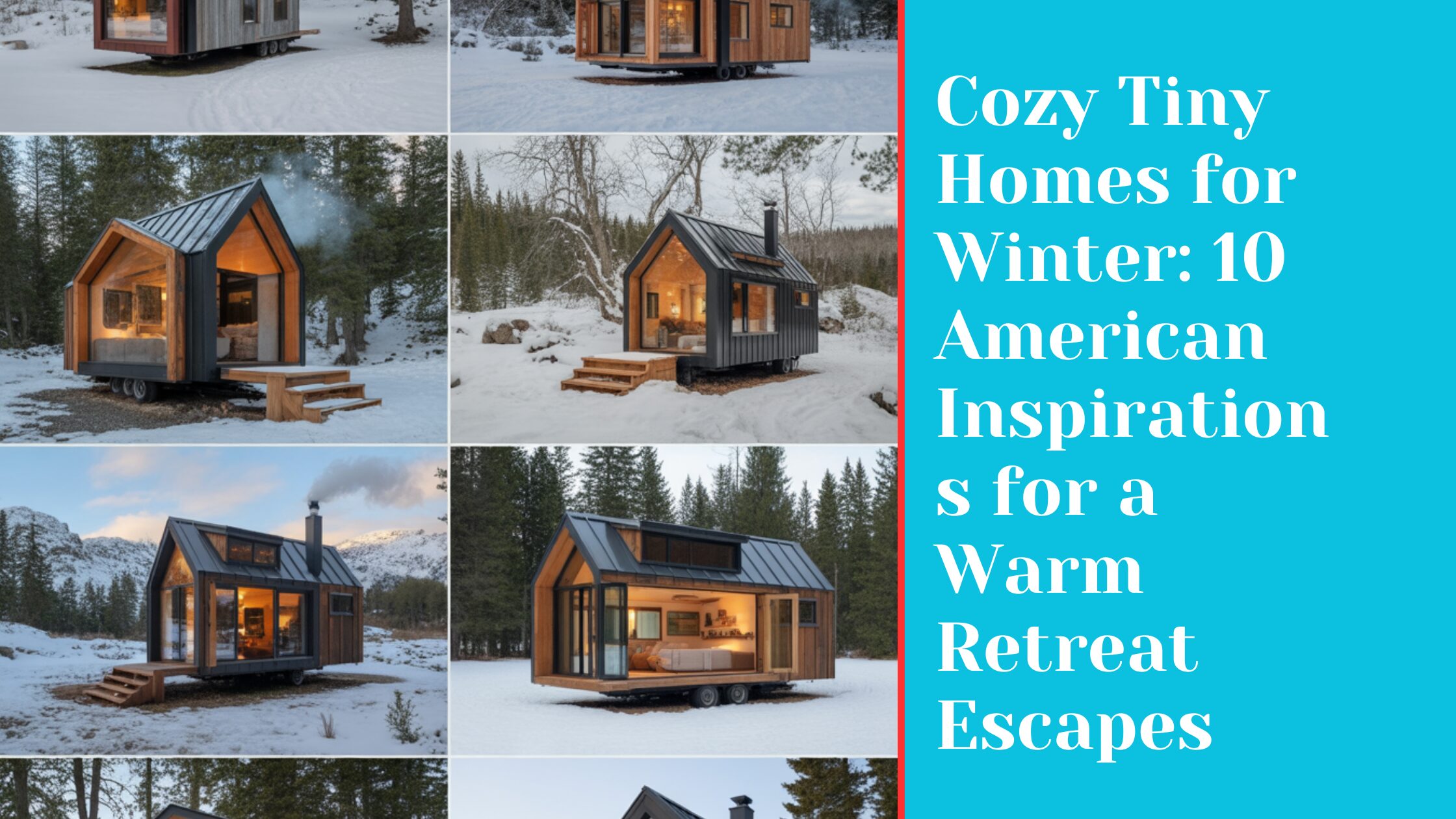
Winter has a way of transforming landscapes into magical, snow-covered wonderlands. But while the outdoors can be breathtaking, there’s nothing quite like retreating to a warm, cozy home where every corner feels inviting and comfortable. Tiny homes have become a popular choice for those seeking simplicity, charm, and efficiency without sacrificing comfort. They are not just small spaces, they are intimate retreats designed to maximize warmth, style, and functionality.
In this guide, I’ll walk you through 10 American tiny home inspirations that are perfect for winter escapes. Based on my overall experience, these homes demonstrate how thoughtful design, clever layouts, and cozy touches can make even the smallest spaces feel like a luxurious winter haven.
1. Mountain Cabin Chic in Colorado
Imagine waking up to a soft blanket of snow covering the pine trees outside your window. Tiny homes in the Colorado Rockies often embrace rustic cabin aesthetics, combining wooden interiors with modern touches. Large windows are common, allowing natural light to brighten the space while offering breathtaking views of snow-capped peaks.
A small wood-burning stove often takes center stage, providing warmth and a cozy focal point. Many designs incorporate built-in seating or foldable furniture, maximizing space while maintaining comfort. From my own personal experience, having a lofted bed above a small living area not only saves space but creates a private nook perfect for winter mornings with a cup of cocoa.
2. Lakeside Retreats in Minnesota
Minnesota’s lakes freeze over during winter, creating a serene, reflective landscape. Tiny homes here are often positioned to take advantage of water views. Interiors emphasize natural materials like cedar or pine, paired with thick rugs and layered textiles that keep the cold at bay.
A compact kitchen with energy-efficient appliances makes cooking easy, and multi-purpose furniture is standard. Adding personal touches such as throw blankets, candles, and soft lighting can transform a small lakeside cabin into a warm retreat. The clever use of mirrors and light wood tones amplifies the sense of space while keeping the home snug.
3. Snowy Forest Hideaways in Vermont
Vermont is synonymous with winter charm. Tiny homes tucked into dense forests here often feature steeply pitched roofs to handle heavy snowfall and lofted sleeping areas to maximize floor space. Interiors blend vintage charm with modern efficiency, including compact kitchens, built-in storage, and wood-burning stoves.
Layered textures—wool blankets, faux fur throws, and thick curtains—enhance warmth. From my overall experience, incorporating natural elements like stone fireplaces or reclaimed wood accents makes the space feel connected to its surroundings while maintaining comfort.
4. Deserted Winter Escapes in Upstate New York
While snow dominates Upstate New York, tiny homes in the region often embrace simplicity with a focus on functionality. Small kitchens, fold-out tables, and multi-purpose furniture create a livable layout in limited square footage.
Large windows and skylights allow sunlight to flood the interiors, reducing the need for artificial lighting during short winter days. Adding soft textures, warm lighting, and natural décor elements helps transform a compact cabin into a welcoming retreat. Based on my overall experience, keeping spaces minimal yet personal makes these homes feel less cramped and more open.
5. Coastal Cozy Cabins in Maine
Winter by the sea has a unique charm, and Maine’s tiny coastal homes capture this beauty. Interiors are often inspired by maritime themes—whitewashed wood, navy accents, and rope details—but softened with plush textiles and warm lighting.
Small fireplaces or efficient wood stoves provide both heat and ambiance, while large windows offer views of frozen harbors and snowy beaches. Multi-functional furniture, such as sofas that convert into beds or storage benches, ensures that every inch of the home is practical yet comfortable. From my own personal experience, adding small touches like a knitted throw over a chair can instantly make the space feel warmer.
6. Snowy Mountain Loft in Wyoming
Wyoming’s tiny homes often sit at the edge of majestic mountain ranges. Lofted sleeping areas, combined with open-concept living spaces, maximize square footage while keeping the home cozy. Large windows frame spectacular views, while efficient heating systems ensure comfort during frigid nights.
Rustic décor paired with modern conveniences—such as compact dishwashers and foldable furniture—allows residents to enjoy winter without sacrificing functionality. Using textured fabrics and area rugs creates warmth underfoot and visually divides spaces in an open floor plan.
7. Retro-Inspired Tiny Homes in Michigan
Michigan’s tiny homes often embrace retro design elements reminiscent of mid-century cottages. Bright colors, geometric patterns, and natural woodwork combine to create cheerful winter retreats. Space-saving solutions like fold-down tables, wall-mounted storage, and Murphy beds are common.
Soft lighting, cozy nooks, and warm textiles make these compact homes inviting during the cold months. Based on my overall experience, retro-inspired spaces feel both playful and comforting, proving that small homes can have character without feeling cluttered.
8. Rustic-Chic Cabins in Montana
Montana’s winters are harsh, but tiny homes here are designed to withstand the elements while offering charm and warmth. Exposed timber beams, wood stoves, and neutral color palettes dominate interiors. Lofts provide sleeping quarters, while convertible furniture ensures the main living area remains open.
Layered bedding, rugs, and curtains enhance insulation, making the home feel snug despite the cold outside. From my own personal experience, positioning a reading nook near a window with natural light can create a perfect winter sanctuary.
9. Forest-Edge Cabins in Oregon
Oregon’s Pacific Northwest offers dense forests, rainy winters, and picturesque landscapes. Tiny homes here often blend with nature, featuring large windows, natural wood finishes, and stone or metal accents. Efficient wood stoves or compact heaters provide warmth, and clever storage solutions maximize limited space.
Textured rugs, soft throws, and warm lighting contribute to a cozy atmosphere. Based on my overall experience, ensuring the home has flexible spaces—such as foldable dining areas or movable seating—makes living in a small cabin comfortable and adaptable.
10. Snowy Prairie Retreats in North Dakota
North Dakota’s flat, snowy landscapes might seem stark, but tiny homes here bring warmth and charm to winter living. Insulated walls, energy-efficient heating, and thoughtful layouts allow residents to enjoy winter without feeling confined.
Natural light, layered fabrics, and personal touches create inviting interiors. From my own personal experience, integrating small outdoor decks or patios—even in snowy conditions—adds a sense of openness and connection to the winter landscape.
How Tiny Homes Maximize Comfort in Winter
Tiny homes are not just about minimalism—they are about efficiency, warmth, and creating a retreat that feels personal and inviting. Some common strategies across the examples above include:
- Lofted Sleeping Areas: Save space while creating cozy private corners.
- Efficient Heating: Wood stoves, compact heaters, or radiant floors ensure warmth.
- Multi-Purpose Furniture: Foldable tables, sofa beds, and built-in storage maximize functionality.
- Layered Textures: Rugs, throws, and curtains enhance insulation and comfort.
- Natural Light: Large windows and skylights make interiors feel open and bright.
- Personal Touches: Candles, blankets, and décor create a homey atmosphere.
Each of these elements transforms small spaces into luxurious winter retreats without overwhelming the home.
Why Tiny Homes Work for Winter Escapes
Tiny homes offer a unique combination of efficiency, charm, and intimacy that larger homes sometimes lack. They encourage thoughtful living, creative use of space, and a strong connection with surroundings. During winter, these benefits are magnified—compact layouts retain heat more easily, cozy nooks provide intimate spaces for relaxation, and proximity to nature allows you to enjoy snow and cold landscapes from the warmth of your home.
From my own personal experience, living in or visiting tiny homes during winter creates a sense of calm and contentment that larger spaces often cannot. Every design choice, from furniture to textiles, contributes to a feeling of comfort and retreat.
Tips for Designing Your Own Winter-Ready Tiny Home
If you’re inspired to create your own cozy tiny home for winter, consider these strategies:
- Invest in Insulation: Proper insulation ensures warmth and reduces energy costs.
- Prioritize Heating Solutions: Wood stoves, compact heaters, or radiant floor systems make the home livable in extreme cold.
- Maximize Vertical Space: Lofts, shelves, and hanging storage free up floor space.
- Use Layered Textiles: Rugs, curtains, and blankets enhance warmth and style.
- Incorporate Multi-Functional Furniture: Fold-out tables, sofa beds, and storage benches save space.
- Add Personal Touches: Small décor, candles, or artwork make the home feel welcoming.
- Take Advantage of Natural Light: Skylights and large windows brighten interiors and create a connection with the outdoors.
Following these principles allows you to design a tiny home that is not only functional but also a warm winter retreat.
Final Thoughts
Cozy tiny homes are the perfect answer for winter escapes. Whether you’re drawn to snowy mountain cabins, lakeside cottages, or forest hideaways, the key is designing spaces that maximize comfort, warmth, and intimacy. Each of the 10 examples above demonstrates how clever design, thoughtful layouts, and personal touches can make even the smallest home a luxurious winter retreat.
From my overall experience, tiny homes are not just spaces to live—they are spaces to experience. They offer a unique sense of comfort, connection to nature, and a retreat from the hustle and bustle of daily life. With the right design, your winter tiny home can become a sanctuary, a place where cold days are met with warmth, charm, and serenity.