
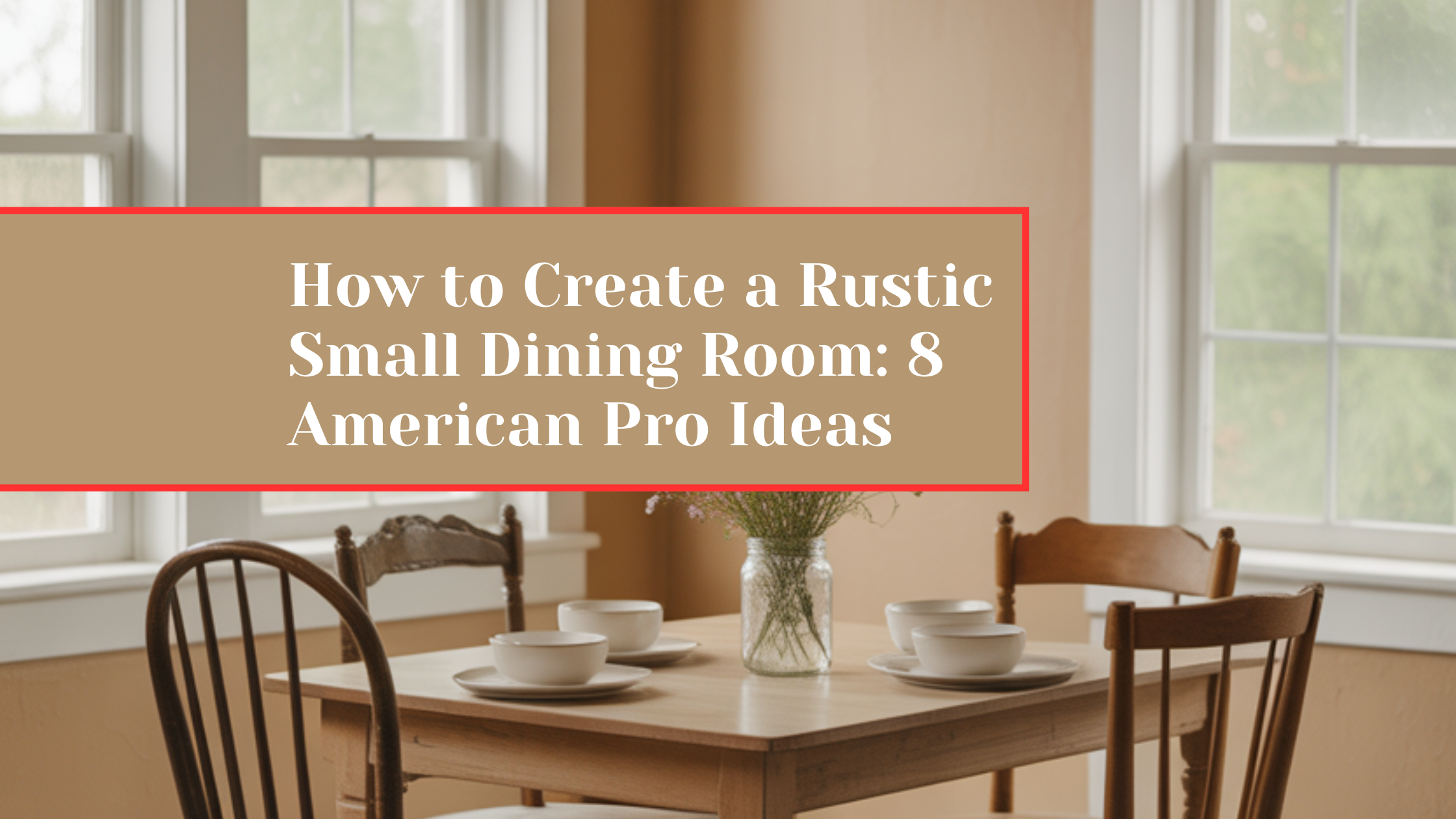
A rustic small dining room brings warmth, comfort, and purpose into a limited space. It blends natural materials, honest design, and a sense of home.
Even if your dining area feels tight or awkward, the right choices can turn it into a place where you enjoy meals, conversations, and quiet moments.
This guide explains what a rustic small dining room means and shows you how to build one step by step using clear, practical ideas inspired by American home design.
What a Rustic Small Dining Room Means
A rustic small dining room focuses on simplicity, warmth, and function. The style draws from natural elements such as wood, stone, linen, and metal. It values age, texture, and character over shine and excess. In a small space, rustic design helps you create comfort without clutter.
Rustic does not mean old or worn out. It means natural, grounded, and real. You choose items that feel solid and useful. You avoid anything that feels forced or flashy. The goal is to make the room feel welcoming and calm, even if you only have a few square meters to work with.
In American homes, rustic dining rooms often reflect farmhouses, cabins, and country homes. Today, designers adapt this look for apartments and small houses by mixing classic rustic elements with smart layout choices. The result is a dining space that feels open, warm, and easy to use.
Why Rustic Style Works Well in Small Dining Rooms
Rustic style suits small dining rooms because it relies on fewer pieces and strong materials. Instead of filling the room with many decorations, you focus on a table, seating, lighting, and texture. Each item has a role.
Natural materials also help small rooms feel balanced. Wood tones soften sharp edges. Textured fabrics reduce the cold feel that small spaces sometimes have. Warm colors make the room feel larger and more inviting.
Based on my overall experience, rustic rooms often feel more forgiving. If the room is not perfectly shaped or evenly lit, rustic elements still look right. Small flaws become part of the charm rather than a problem.
Idea 1: Choose the Right Rustic Dining Table for a Small Space
The dining table is the heart of the room. In a small rustic dining room, the table must fit the space without blocking movement.
Start with size. Measure your space carefully. Leave enough room so you can pull out chairs and walk around the table. A small rectangular or round table often works best. Round tables are useful when space is tight because they remove sharp corners and improve flow.
Next, focus on material. Solid wood is the best choice for rustic style. Look for oak, pine, maple, or reclaimed wood. A table with visible grain, knots, or slight color changes adds depth without extra decor.
Avoid heavy finishes. A matte or lightly sealed surface feels more natural and fits rustic design better than glossy coatings. If the table looks like it can age well, you made the right choice.
Idea 2: Use Simple, Honest Seating
Chairs play a big role in how the room feels. In a small dining room, bulky chairs can overwhelm the space. Rustic seating should feel sturdy but not heavy.
Wooden chairs with straight lines work well. Ladder-back or spindle-back chairs are common in American rustic homes. They provide support while keeping the room visually open.
You can also mix seating. A bench on one side of the table saves space and adds a casual feel. Benches tuck under the table when not in use, which helps keep the room clear.
Comfort still matters. Add thin seat cushions in linen or cotton. Choose neutral shades like beige, cream, or soft gray. These fabrics add warmth without making the room feel crowded.
Idea 3: Let Natural Wood Set the Tone
Wood defines rustic style. In a small dining room, wood should guide the design without taking over the space.
If you have wooden floors, let them show. Avoid heavy rugs that hide the texture. A small flat-weave rug under the table is enough if you need comfort or contrast.
If your floors are not wood, bring wood in through furniture and accents. A wooden table, chairs, shelves, or wall panels can create the same effect.
Try to keep wood tones within a close range. Mixing too many shades can make a small room feel busy. Choose one main tone and support it with lighter or slightly darker variations.
Idea 4: Use Light Colors to Open the Room
Rustic design often uses warm and earthy colors, but in a small space, balance is key. Light colors help the room feel larger while still keeping the rustic feel.
Walls in soft white, cream, or warm beige work well. These shades reflect light and allow wood textures to stand out.
You can add deeper tones through small accents. Think of muted browns, soft greens, or clay tones. Use these colors in cushions, table runners, or wall art.
Avoid dark walls in very small dining rooms unless you have strong natural light. Too much darkness can shrink the space and hide details.
Idea 5: Add Texture Instead of Clutter
Rustic rooms feel rich because of texture, not because of many items. In a small dining room, texture replaces decoration.
Use natural fabrics such as linen tablecloths, cotton napkins, or woven placemats. These add interest without filling space.
Ceramic dishes, stoneware bowls, or wooden serving boards can stay on open shelves or a side surface. They serve a purpose and support the rustic look.
Wall texture also matters. If possible, add subtle wood paneling, shiplap, or a textured paint finish. These details add depth while keeping the room simple.
Idea 6: Choose Lighting That Feels Warm and Practical
Lighting shapes the mood of a dining room. Rustic lighting should feel warm, direct, and useful.
A single pendant light above the table works well in small spaces. Choose a fixture made from metal, wood, or glass. Simple shapes fit better than complex designs.
The light should hang low enough to focus on the table but not block views across the room. Warm light bulbs create a relaxed setting and soften wood tones.
If possible, add a second light source. A wall sconce or small lamp on a shelf adds balance and makes the room usable at different times of day.
Idea 7: Keep Storage Open and Purposeful
Storage matters in small dining rooms. Rustic style favors open and practical solutions.
Open shelves made from wood and metal work well. They provide storage while keeping the room visually light. Use them for dishes, jars, or simple decor.
A narrow sideboard or console can fit against one wall. Choose one with clean lines and natural finishes. Avoid oversized cabinets that block light and movement.
Everything you store should earn its place. If an item does not serve a clear role or add warmth, remove it. This keeps the room calm and usable.
Idea 8: Add Personal Details That Tell a Story
Rustic rooms feel alive because they reflect real life. Personal items make the space yours.
Choose a few meaningful pieces. A framed photo, a handmade bowl, or a vintage find adds character without clutter.
Wall art should stay simple. One or two pieces with natural themes or soft colors are enough. Avoid filling every wall.
Plants also help. A small potted herb, a vase with dried branches, or a simple green plant brings freshness and supports the natural feel of the room.
How to Arrange a Small Rustic Dining Room
Layout matters as much as style. Start by placing the table in the most open area. Make sure you can move around it easily.
Keep walking paths clear. Avoid placing furniture where it interrupts flow. In small spaces, every step counts.
If your dining area shares space with a kitchen or living room, use rugs or lighting to define the dining zone. This helps the room feel organized and intentional.
Common Mistakes to Avoid
Many small dining rooms feel crowded because of a few common errors.
Using furniture that is too large is one of the biggest problems. Always choose scale over style. A smaller table that fits well looks better than a large one that overwhelms the room.
Another mistake is over-decorating. Rustic does not mean filling the room with signs, baskets, or antiques. Too many items remove focus and reduce comfort.
Poor lighting also hurts small spaces. One weak light makes the room feel flat. Warm, focused lighting improves both mood and function.
How to Maintain the Rustic Look Over Time
Rustic dining rooms age well when you care for them properly.
Clean wood surfaces gently. Avoid harsh chemicals that strip natural finishes. Regular dusting and light cleaning keep textures visible.
Rotate small accents seasonally. This keeps the room fresh without adding more items. A new table runner or plant can change the feel easily.
Let the room evolve. Small marks and wear often add charm rather than reduce it. Rustic style welcomes signs of use.
Final Thoughts on Creating a Rustic Small Dining Room
A rustic small dining room is about comfort, honesty, and smart choices. You do not need a large space or a big budget. You need clarity, balance, and respect for materials.
By choosing the right table, simple seating, warm colors, and useful details, you create a space that supports daily life. The room becomes a place where you want to sit, eat, and connect.
When you focus on purpose and warmth, even the smallest dining room can feel complete.