
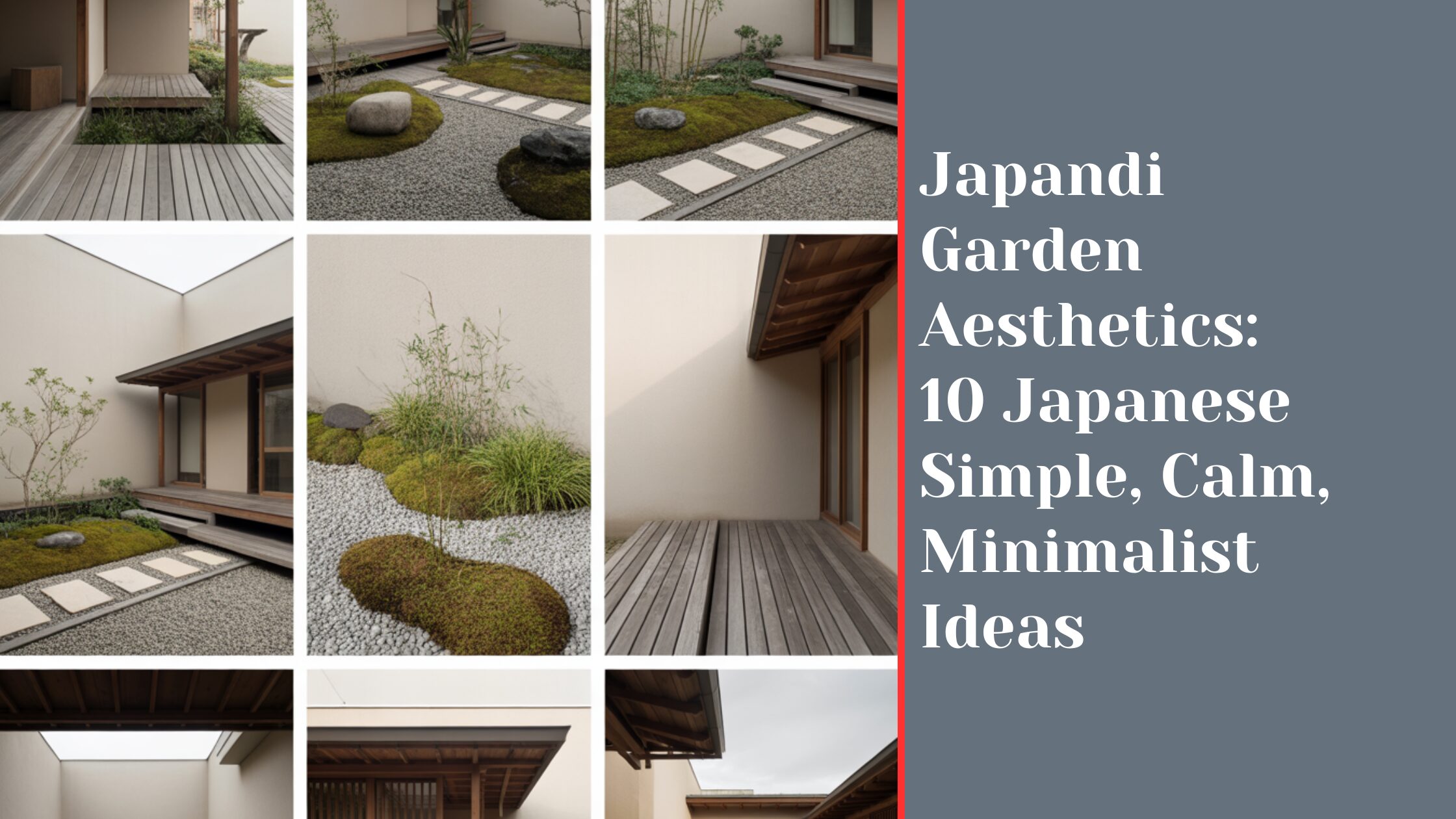
In a world that often feels chaotic and cluttered, the serene beauty of Japandi garden aesthetics offers a refreshing escape. This unique design philosophy merges the elegance of Japanese minimalism with the warmth of Scandinavian simplicity, creating outdoor spaces that are both calming and functional. If you are looking to transform your garden into a peaceful retreat, embracing Japandi style can be a game-changer. From my own personal experience, even small changes in design, layout, and plant selection can create a profound sense of tranquility.
Here, we’ll explore 10 Japandi-inspired ideas that are easy to implement and visually captivating, whether you have a sprawling backyard or a small balcony garden. These concepts focus on simplicity, natural materials, and thoughtful arrangements, allowing your garden to breathe and encouraging mindful interaction with nature.
1. Embrace Minimalism in Plant Selection
Japandi gardens thrive on simplicity. Unlike traditional gardens filled with a wide variety of colorful plants, Japandi design favors fewer, carefully selected species. Choose plants that are structurally interesting, such as bamboo, Japanese maple, or ferns. The goal is to create a calm, uncluttered environment where each plant has space to shine.
Succulents, moss, and ornamental grasses also work beautifully. They require minimal maintenance, blend seamlessly with wooden and stone elements, and maintain visual balance without overwhelming the senses. From my overall experience, keeping the plant palette limited not only simplifies maintenance but also amplifies the sense of harmony in the space.
2. Use Neutral and Natural Colors
Colors in Japandi gardens are understated and earthy. Think shades of beige, soft browns, muted greens, and gentle grays. These colors reflect the natural world and allow the garden to feel tranquil and balanced. Stones, gravel, and wooden features often take on these muted tones, complementing the greenery without competing for attention.
Even flowers, when included, are usually subtle. White blossoms, pale pinks, or soft yellow flowers provide gentle accents without disrupting the minimalist aesthetic. When you choose colors intentionally, every element in the garden feels purposeful and peaceful.
3. Incorporate Clean Lines and Geometric Shapes
One of the hallmarks of Japandi gardens is the use of clean lines and geometric arrangements. Paths, borders, and garden beds are often designed in straight or gently curved lines rather than irregular or chaotic patterns.
For instance, gravel pathways can be framed with rectangular stones, and wooden decking can be laid out in linear patterns. These structured layouts guide the eye and encourage calm movement through the space. From my own personal experience, walking along a well-defined path in a garden with clean lines instantly creates a feeling of order and mental clarity.
4. Blend Wood and Stone for Textural Contrast
Natural materials play a central role in Japandi aesthetics. Combining wood and stone not only enhances the visual appeal but also reflects a balance between warmth and simplicity. Wooden benches, pergolas, or deckings contrast beautifully with stone lanterns, pebbles, and stepping stones.
When selecting materials, prioritize quality and craftsmanship. Rough-hewn wood and smooth stone surfaces are ideal because they celebrate natural imperfections while maintaining a minimalist vibe. This mix of textures makes the garden feel grounded and inviting, without introducing unnecessary complexity.
5. Integrate Water Features Thoughtfully
Water is a core element of Japanese garden design, symbolizing serenity and renewal. In Japandi gardens, water features are often simple and understated. A small pond, a bamboo water spout, or a minimalist fountain can instantly elevate the sense of calm.
The sound of trickling water is soothing and creates a sensory connection to nature. From my overall experience, even a small water element in a tiny courtyard can transform the entire atmosphere, turning it into a meditative retreat.
6. Create Zones for Relaxation and Mindfulness
Japandi gardens are not just about aesthetics; they are about experience. Design spaces where you can sit, reflect, and connect with your surroundings. Low wooden benches, floor cushions, or a small tatami mat area can encourage meditation, tea ceremonies, or quiet reading moments.
Arrange seating areas to face the most visually calming elements, such as a cluster of moss-covered stones, a bamboo grove, or a serene water feature. By consciously designing these zones, your garden becomes a place of intentional pause and reflection.
7. Limit Garden Decor and Ornaments
Ornaments in Japandi gardens are used sparingly. Unlike traditional gardens with abundant statues or decorative elements, Japandi design favors simplicity. Choose one or two meaningful pieces, such as a stone lantern, a ceramic vase, or a sculptural rock, and let them stand out naturally.
Overloading the garden with decor disrupts the minimalist balance and creates visual noise. From my own personal experience, removing unnecessary ornaments can surprisingly transform a cluttered garden into a space that feels expansive and serene.
8. Play with Light and Shadows
Lighting is subtle but impactful in Japandi gardens. Natural light is preferred, with shaded areas created using trees, bamboo screens, or pergolas. Artificial lighting should be soft and indirect, highlighting key elements without overpowering the scene.
Consider placing lanterns along pathways or using warm-toned garden lights to accentuate textures in wood and stone. The interplay of light and shadow throughout the day adds depth and keeps the garden visually engaging while maintaining calmness.
9. Incorporate Zen Elements
Zen-inspired features enhance the minimalist, meditative quality of Japandi gardens. Simple gravel or sand areas, raked in neat patterns, evoke a sense of order and reflection. Stones and rocks arranged intentionally can mimic natural landscapes like mountains or riverbeds.
Moss-covered surfaces, bonsai trees, and low shrubs further reinforce the Zen influence. From my overall experience, even a small Zen corner can create a grounding effect, allowing you to step away from daily stress and reconnect with nature.
10. Focus on Seasonal Changes
Japandi gardens embrace the natural rhythm of the seasons. Plant selections, foliage, and textures should highlight seasonal shifts. For example, cherry blossoms in spring, maple leaves in autumn, and evergreen bamboo in winter provide subtle variations while maintaining a minimalist look.
This approach encourages mindfulness and observation, allowing you to appreciate the passage of time and the beauty in small, natural changes. A garden that evolves with the seasons becomes a living reflection of calmness and simplicity.
Conclusion: Creating Your Japandi Garden Sanctuary
Designing a Japandi garden is about balance, simplicity, and intentionality. By selecting minimal plants, incorporating natural materials, and designing spaces for relaxation and mindfulness, you can create a garden that feels both peaceful and functional.
From my own personal experience, the beauty of Japandi gardens lies not just in their appearance but in the atmosphere they foster. A simple bench, a few carefully chosen plants, and a touch of water can transform any outdoor space into a sanctuary for the mind and soul.
The essence of Japandi is calmness, clarity, and connection to nature. By embracing these principles, you can design a garden that not only looks stunning but also nurtures your well-being every day.