
You may see the term OSB in-house framing when you plan a home build or renovation. At first, it can feel unclear. The words sound technical, and you may wonder how it affects you, your home, and your budget. This guide explains it in a clear way.
Below, you get a full breakdown of OSB, how in-house framing works, why builders use it, what it means for your home, practical benefits, drawbacks, cost factors, safety notes, and step-by-step insight into how a framing crew handles it on-site.
What OSB Means
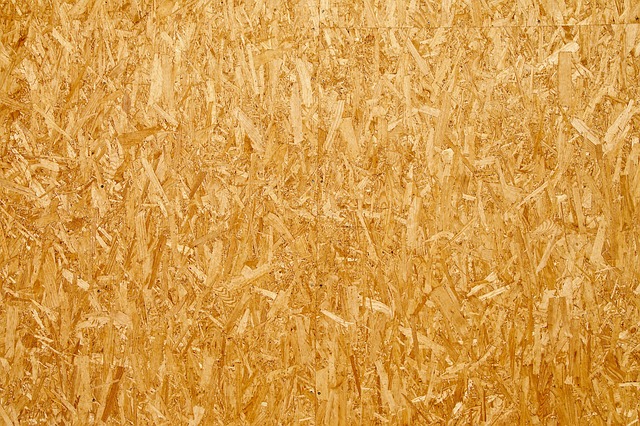
OSB stands for Oriented Strand Board. It is a strong, engineered wood panel. Makers take thin strands of wood, mix them with a binding resin, and press them under high pressure. This creates a sheet that is stable, consistent, and dependable.
OSB is common in today’s construction industry. You see it used for:
- Wall sheathing
- Roof decking
- Floor decking
- Structural bracing
- Subfloors
- Load-bearing areas (when approved by building codes)
OSB replaced plywood in many projects because it is cost-effective, uniform, and strong under tension. The process creates a sheet that does not have weak spots like knots or natural gaps. This gives you predictable performance during framing.
What In-House Framing Means
When a builder says “in-house framing,” it means the framing crew works within the company and is not hired as an outside subcontractor. The team is part of the same builder, same management, and same workflow.
This matters because:
- The builder controls quality
- The timeline is more consistent
- Communication is direct
- Material choices (like OSB) follow one system
- The build process is smoother
- The project avoids outside scheduling delays
In-house framing means the builder trusts their own crew to complete the structural frame of your home: walls, roof structure, floors, and sheathing. OSB becomes a central part of that system because the crew already knows how to install it efficiently.
Why Builders Combine OSB With In-House Framing
OSB and in-house framing go together for several reasons:
- Predictable quality
When a builder uses OSB, the sheets are uniform. This lets the in-house team work quickly because they know what to expect from each panel. - Better planning
An in-house crew knows how many sheets are needed and how fast they can install them. This prevents waste and delays. - Smooth workflow
A builder can create one framing system for all projects. This system uses the same fasteners, spacing rules, layout method, and quality checks. - Tight structural control
When the company manages the frame and the sheathing, the build remains consistent from one project to the next. - Improved communication
If you ask questions about OSB, the builder gives you direct answers because they handle the work themselves.
In short, OSB is the material, and in-house framing is the crew and method. Together, they shape the structure of your home in a reliable way.
How OSB Works in Home Framing
To understand OSB in-house framing, you need to know how OSB fits into the structure of a home. Each sheet supports the skeleton of your house.
How OSB Supports Walls
OSB panels attach to the wall studs. This gives the wall strength and rigidity. Builders call this sheathing. The sheathing helps prevent twisting or shifting under wind pressure. The panels lock the frame into a stable shape.
How OSB Supports Roofs
OSB roof panels cover the rafters or trusses. This creates a solid deck. Shingles or other roofing materials go on top. These panels help handle wind pressure, foot traffic from installers, and the weight of roofing layers.
How OSB Supports Floors
OSB subfloor sheets lie on the floor joists. They create the base for carpet, tile, laminate, or hardwood. Builders like OSB subfloors because they resist swelling when installed and maintained correctly, and the sheets are large enough to cover wide areas.
Why OSB Is So Strong
OSB strength comes from two things:
- The wood strands point in different directions
- Pressure and resin bond the strands tightly
This cross-direction design spreads weight evenly. The panel resists bending, compression, and tension.
Why Builders Prefer OSB in In-House Systems
When a builder uses their own framing team, OSB becomes even more effective. Here is why:
1. Fast Install Speed
In-house crews know the builder’s process. They know the exact panel sizes, fastening patterns, and layout rules. This makes OSB installation faster than if an outside team handled it.
2. Consistent Strength
One company handles both the plan and the installation. This reduces chances of error. Each sheet gets nailed correctly, spaced correctly, and aligned correctly.
3. Lower Material Waste
Because OSB comes in predictable sizes (often 4×8 ft sheets), an in-house crew knows how to lay it out with minimal cuts. Less waste means lower cost for you.
4. Smooth Project Coordination
Because the same team does the frame and the sheathing, you avoid delays caused by subcontractor schedules.
Common Areas Where OSB Is Used in an In-House Framing System
Exterior Walls
OSB sheathing creates the vertical strength your home needs. It helps support siding, insulation, and overall wall stability.
Roof Decking
OSB sheets provide a level surface for shingles or tile roofing. This creates a strong barrier and helps your roof handle high winds.
Subfloor Systems
OSB panels give your floor a solid base. They reduce squeaks, dips, and movement.
Load-Bearing Frames
In some designs, OSB supports critical load points when combined with structural framing.
OSB vs. Plywood in In-House Framing
Many homeowners ask, “Why OSB instead of plywood?”
Strength Comparison
Both materials are strong. OSB often performs better in shear strength (sideways force), which is important in wall sheathing.
Cost Comparison
OSB usually costs less while offering similar performance. This helps keep your project budget-friendly.
Moisture Behavior
OSB absorbs moisture slower, but once it absorbs water, it takes longer to dry. This is why a good builder keeps OSB covered during rain. In-house teams manage moisture protection carefully because they control the full process.
Uniform Quality
OSB sheets do not have knots or natural wood defects. This makes installation smoother for an in-house team.
What OSB In-House Framing Means for You
Better Structural Stability
Your home feels solid because the frame and sheathing follow one consistent method.
More Predictable Results
You get a structure that performs the same way across floors, walls, and roof sections.
Faster Construction Timeline
The builder avoids outside scheduling issues. Your project moves ahead without big pauses.
Better Cost Control
OSB lowers material cost, and in-house labor reduces delays. This keeps your overall price more controlled.
Clear Answers During Your Build
If you have questions, the builder does not redirect you to a subcontractor. They answer clearly because they manage the framing themselves.
Step-by-Step: How In-House Crews Use OSB During a Build
Below is a detailed look at what happens on a jobsite. This helps you picture the full process.
Step 1: Delivering Materials
OSB sheets arrive on the site. A good crew stores them flat and covered to protect them from rain. This keeps the sheets dry and ready for use.
Step 2: Floor Framing
The team lays out the floor joists. Then they install OSB subfloor sheets. They glue and fasten them based on the builder’s standard practice.
Step 3: Wall Framing
The crew builds the walls on the ground. They attach OSB sheathing while the wall frame is still flat. This keeps the panels aligned.
Step 4: Raising Walls
The team lifts each wall into place. The OSB already installed adds stiffness as they set the wall.
Step 5: Roof Structure
Trusses or rafters go up next. Once secure, the crew installs OSB roof decking.
Step 6: Bracing and Inspections
The crew adds temporary bracing. Inspectors check spacing, fasteners, and alignment.
Step 7: Weather Protection
A weather barrier wraps the OSB. This protects your home from moisture before siding goes on.
Benefits You Notice After the Build Is Complete
Strong Walls
OSB sheathing helps your home stand firm during storms or strong winds.
Quiet Floors
A proper OSB subfloor reduces floor noise.
A Stable Roof
The OSB roof deck supports roofing material and keeps the roof flat.
Consistent Home Performance
Because the same company framed and sheathed the house, everything works together.
Common Misunderstandings About OSB
“OSB Is Weak”
This is false. OSB is widely accepted by building codes and used in many modern homes.
“OSB Cannot Handle Moisture”
OSB must be protected from long-term water exposure, but temporary moisture during a build is normal. Good builders manage this with covers and wraps.
“OSB Does Not Last Long”
OSB lasts for decades when installed correctly and kept dry.
How OSB Supports Energy Performance
OSB plays a role in energy efficiency by:
- Reducing air leaks
- Supporting insulation placement
- Creating a stable base for exterior house wrap
A tight frame reduces drafts and lowers long-term energy costs.
Cost Factors You Should Know
The price of OSB framing depends on:
- Sheet thickness
- House size
- Local supply
- Labor rates
- Moisture protection practices
- Project complexity
Builders who use in-house framing often bundle labor and material in a single cost structure. This gives you more control over budgeting.
Signs of a Good OSB Installation
You can look for:
- Even panel spacing
- Straight nail lines
- Correct panel thickness
- No large gaps
- Wrapped exterior
- Clean edges
- Flat subfloor with no bounce
These details show the crew worked with care.
The Future of OSB in Home Building
Builders continue to use OSB because it is efficient, stable, safe, and cost-friendly. Many companies refine their in-house systems to work even faster with it. OSB also supports modern engineering needs, such as updated storm codes and energy standards.
Final Thoughts
OSB in-house framing simply means this: your builder uses consistent OSB panels installed by their own internal framing crew. This gives you a home with strong walls, a stable roof, and a dependable frame. The process stays predictable, the quality stays steady, and communication stays simple.
When you understand these parts clearly, you feel more confident through your project. You know what supports your home and why your builder chooses this method.