
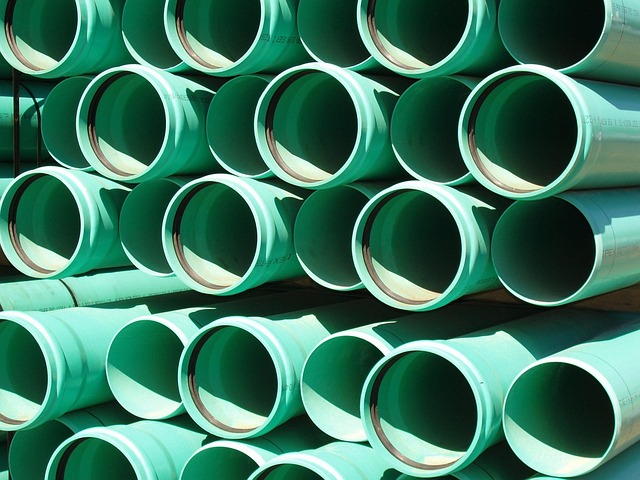
PVC is one of the first materials you notice when you look at modern plumbing work, but many do not know what it truly stands for or why it matters so much. PVC pipes show up in homes, new buildings, extensions, and even outdoor setups. You see them in white or light grey, clean, strong, and ready to handle busy water flow. You might think the story ends there, but PVC holds far more value than most expect.
I wrote this guide to give you clear answers, give you calm confidence when you choose plumbing parts, and help you understand why PVC became such an important material in today’s construction. I also include insights from my own personal experience, which help you understand PVC through a practical lens and not just technical notes.
Let’s break everything down in a simple, human way.
What PVC Stands For
PVC stands for Polyvinyl Chloride. It is a type of plastic that has a strong structure and smooth surface. Builders and plumbers use it because it is light, easy to cut, simple to install, and safe for cold-water movement.
At its core, PVC is a plastic made through a mix of chlorine and vinyl. This combination gives the material a strong and reliable body. You get a pipe that can handle water pressure, stay in place, and last for years. The name might look long, but the material itself is known for its simplicity and usefulness.
Why PVC Became Popular in Plumbing
PVC earned its position in plumbing because it checks many important boxes at once. You get a material that:
works with both homes and commercial projects
carries water with minimal friction
resists corrosion
stays stable in different temperatures
supports long-term use without frequent replacement
PVC changed plumbing because it offered a solution that metal pipes could not match. Metal pipes rust over time, change shape, and react to minerals in water. PVC stays calm, clean, and consistent.
How PVC Pipes Are Made
PVC pipe production follows a straightforward method:
Mixing Raw Materials
Factories blend vinyl chloride with stabilizers and other small additives. These support durability and heat resistance.
Heating and Shaping
The mix enters a machine that heats the plastic and pushes it through a mold shaped like a tube. This process forms the hollow shape.
Cooling
The shaped tube moves into cool water. The cool water locks the shape in place.
Cutting
Once cool, the pipe is cut into long sections. These sections then move into packaging.
This process gives you pipes with smooth interiors, clean edges, and consistent thickness. The smooth surface helps water move without strong resistance, which lowers noise and reduces pressure issues.
Types of PVC Pipes in Plumbing
PVC comes in several forms. Understanding the types helps you choose the right pipe for your project.
Schedule 40 PVC
This is the most common type. It is light and suitable for standard residential plumbing. You often see it in cold-water lines, irrigation, drain systems, and venting.
Schedule 80 PVC
This type is stronger and thicker. You choose Schedule 80 when you need more pressure support or when you build structures that need extra strength.
CPVC (Chlorinated PVC)
CPVC is similar to PVC but receives an extra chlorine treatment. This treatment gives the pipe a higher temperature limit. CPVC is used for hot-water supply lines.
Flexible PVC
Flexible PVC bends without snapping. It is useful for tight spaces, irrigation designs, and areas where rigid pipes do not fit.
What PVC Is Used For in Plumbing
PVC supports a wide range of plumbing applications. Plumbers choose it for:
Cold-water supply lines
Drainage systems
Vent pipes
Irrigation systems
Underground water lines
Sewer connections
Pool plumbing
Rainwater systems
The material works well in these systems because it does not rust or wear down easily. It keeps water clean by resisting buildup inside the pipe.
Why Plumbers Prefer PVC
PVC continues to be the top choice for many plumbing projects. Here are core reasons:
Light Weight
You can carry PVC pipes without heavy equipment. This makes installation faster and reduces labour stress.
Simple Cutting and Fitting
You cut PVC with a simple tool. You join PVC pieces with solvent cement, which fuses two surfaces into a single structure.
Low Cost
PVC is one of the most budget-friendly plumbing materials. You get strong quality without a large expense.
Long Lifespan
PVC pipes can last several decades. They do not rust, dent, or react to minerals in water.
Low Maintenance
PVC requires little attention after installation. It does not clog easily thanks to its smooth inner surface.
How PVC Connects to Other Plumbing Parts
PVC connects using joints, elbows, tees, couplings, adaptors, and valves. Each connection type supports a specific movement of water.
Elbows
These change direction. You see 45-degree and 90-degree elbows in most layouts.
Tees
Tees divide water flow into two paths. They help when you extend a line into a new area.
Couplings
These join two straight pieces. They repair broken sections or extend lines.
Adaptors
These change the end of the pipe so you can join PVC to metal or another material.
Valves
Valves allow you to control water flow. You can stop, slow, or direct water smoothly.
Each fitting plays a key role. When combined, they create a strong and efficient plumbing system.
PVC vs. Other Plumbing Materials
To understand PVC clearly, it helps to compare it with other common materials.
PVC vs. Copper
Copper handles hot water well. It lasts long and resists heat. But copper can corrode when exposed to certain minerals. It is also more expensive. PVC is lighter, cheaper, and easier to install, but it is not ideal for hot water unless you use CPVC.
PVC vs. PEX
PEX is flexible and great for hot water. But PEX can degrade when exposed to sunlight. PVC stays stable in outdoor conditions.
PVC vs. Galvanized Steel
Galvanized steel was common in older homes. It rusts, changes colour, and blocks water flow over time. PVC does not have these problems.
Benefits of PVC in Long-Term Use
PVC provides strong value over time:
You reduce the risk of leaks
You reduce replacement frequency
You keep water clean
You cut long-term costs
You get stable performance
PVC does not absorb moisture. It stays firm even after years underground or inside walls.
Where You Should Use PVC and Where You Should Not
Ideal Uses
PVC works well for:
drainage
cold water lines
stormwater systems
irrigation
vents
pool plumbing
Areas to Avoid
Avoid PVC for:
hot water unless you use CPVC
direct sunlight without UV protection
systems that carry chemicals not compatible with PVC
How to Install PVC Correctly
If you plan to install PVC, follow these steps:
Step 1: Measure
Measure the needed length. Make sure you consider bends or joints.
Step 2: Cut
Use a PVC cutter for a clean cut. Keep the cut straight.
Step 3: Remove Burrs
Smooth the edges with sandpaper or a deburring tool.
Step 4: Dry Fit
Assemble the pipe without glue first. Make sure the pieces align.
Step 5: Apply Primer
Primer cleans and softens PVC. This step prepares the surface for glue.
Step 6: Apply Cement
Use PVC cement. Apply a thin, even layer.
Step 7: Join
Push the two pieces together. Twist a little to lock the seal.
Step 8: Hold
Hold for a few seconds until the cement sets.
Step 9: Wait
Give the system time to cure before you run water. The curing time depends on pipe size and temperature.
Common Myths About PVC
There are many misunderstandings about PVC. Let’s clear the most common ones.
Myth 1: PVC cannot handle pressure
PVC handles pressure very well, especially Schedule 40 and 80.
Myth 2: PVC is unsafe for water
PVC is safe for cold-water transport. CPVC is safe for hot water.
Myth 3: PVC breaks easily
PVC stays strong under normal use. It only cracks under strong impact or freezing water.
Myth 4: PVC cannot last long
PVC can last more than half a century when installed correctly.
Why PVC Works Well for Homeowners
PVC gives you comfort because it keeps water flowing without noise. It also saves you money, reduces hassle, and provides stable performance. You can also replace sections easily. You don’t need special tools or advanced skill.
How PVC Affects Water Flow
PVC has a smooth inner surface. This reduces friction and lets water move with ease. You get faster flow, less noise, and fewer pressure drops.
The smooth surface also reduces the chance of mineral buildup. Hard water often leaves residue inside metal pipes. PVC stays clean for years.
Environmental Impact of PVC
PVC production has challenges, but modern factories use safer methods than before. PVC also lasts a long time, which reduces waste. Many recycling facilities now accept PVC, and reused PVC works well in new products.
PVC’s long lifespan reduces the need for frequent replacements. That means fewer pipes in landfills.
How to Tell if Your Home Uses PVC
You can check your home in a few simple steps:
Look under sinks
Look in basements
Check the water heater area
Check outdoor irrigation lines
Look at drain pipes in bathrooms
PVC pipes appear white or light grey. They often show printed markings that confirm their type.
How to Maintain PVC Pipes
PVC does not need heavy maintenance, but a few habits keep it strong:
Avoid harsh impact
Keep direct sunlight exposure low
Protect outdoor PVC with coverings
Flush drains without chemicals that melt plastic
Inspect joints once a year
How Long PVC Really Lasts
PVC pipes can last 50 to 100 years when installed correctly. Their long lifespan makes them a smart choice for homes, farms, and commercial use.
PVC stays steady because:
it resists corrosion
it does not swell
it does not react to minerals
it stays consistent under pressure
it does not rust
Signs Your PVC System Needs Attention
Although PVC is strong, you should look for:
small cracks
leaks at joints
sagging support
loud water flow
discolouration from sunlight
Simple repairs usually solve these issues.
Future of PVC in Plumbing
PVC will continue to play a major role in future plumbing. Its low cost, strength, and simple installation keep it relevant. New production methods make PVC safer, cleaner, and more adaptable.
More homes and buildings choose PVC because they want reliable systems that last.
Final Thoughts
PVC stands for Polyvinyl Chloride, but its meaning goes far beyond the name. It supports clean water flow, helps you build reliable systems, and keeps plumbing maintenance simple. Its long lifespan, affordable cost, and strong structure make it a smart choice for both small and large projects.
PVC gives you stability without stress. It gives you confidence when you plan new plumbing or fix older lines. When you understand what it offers, you can make choices that last for decades.
If you want a material that stays strong, carries water with ease, and makes plumbing work smoother, PVC remains one of the best options you can choose.